HD Visual Learning

HD Visual Learning

Personalizing Treatment Across Cutaneous Malignancies

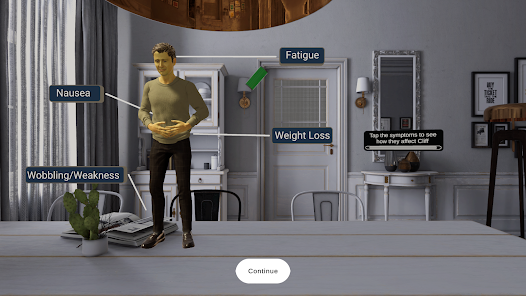
Shared Decision-Making in Oncology

UV Exposure and Basal Cell Carcinoma: Genetic Mutations and Immune Suppression

Pathogenesis of Basal Cell Carcinoma (BCC)

Immunology and the Hedgehog Pathway in Basal Cell Carcinoma (BCC)

Depiction of the anti-cancer mechanism of action of Trop-2 antibody-drug conjugates in breast cancer
*Supported by educational grants from AstraZeneca and Daiichi Sankyo, Inc.

Shared Decision-Making in Oncology

Understanding Cell-free DNA (cfDNA)
*Supported by an educational grant from GRAIL, Inc.

Cancer Screening and Early Dection Test Accuracy
*Supported by an educational grant from GRAIL, Inc.

Understanding the Underlying Science of Current Cancer Screening
*Supported by an educational grant from GRAIL, Inc.

Discussing the Results of a Multicancer Early Detection Test
*Supported by an educational grant from GRAIL, Inc.

ICIs: Primary & Micrometastatic Disease

Tumorigenesis Cutaneous Squamous Cell Carcinoma (cSCC)

Personalizing Treatment Across Cutaneous Malignancies

Shared Decision-Making in Oncology

Immune Dysfunction in Cutaneous Squamous Cell Carcinoma (cSCC)

Shared Decision-Making in Oncology

HER2 Expression in Cancer
*Supported by an independent medical educational grant from Jazz Pharmaceuticals.

Gastric Cancer – Understanding anti-tumor effects and monitoring for adverse events
*Supported by an educational grant from Lilly.

Angiogenesis Overview
*Supported by an educational grant from Lilly.

Shared Decision-Making in Oncology

The Complement System 
*Supported by an educational grant from Novartis Pharmaceuticals Corporation.

PD1 and CTLA-4 Immune Checkpoints

Novel Immune Targets in Solid and Liquid Tumors

Personalizing Treatment Across Cutaneous Malignancies

Shared Decision-Making in Oncology

Mechanistic Features of Bispecific Antibodies for Relapsed/Refractory NHL

Managing Adverse Events Associated with Bispecific Antibodies

Shared Decision-Making in Oncology

The Role of Antibody Drug Conjugates in B-Cell Lymphomas *Supported by an educational grant from Genentech, a member of the Roche Group.

Understanding the Rationale for Bispecific Antibody Threapy in Relapsed/Refractory B-Cell Lymphomas *Supported by an educational grant from Genentech, a member of the Roche Group.

Considering ICI Therapeutic Combinations in Advanced Melanoma

Visualizing pathophysiologic processes

Personalizing Treatment Across Cutaneous Malignancies

Shared Decision-Making in Oncology

Reviewing the Pathophysiology of Melanoma

Developments of PD-L1 and LAG3 Combinations in Advanced Melanoma

Mechanisms of Bispecific Antibodies in Multiple Myeloma

Managing CRS and ICANS with Bispecific Antibodies

Shared Decision-Making in Oncology

Mechanisms of Resistance in Multiple Myeloma

Mechanisms of Therapies in Later-Line Multiple Myeloma Management *Supported by an educational grant from GlaxoSmithKline.

Rationale for ICIs in patients without targetable mutations, particularly patients with squamous cell NSCLC

Complimentary anti-tumor mechanisms of chemotherapeutics and ICIs

MOA: Evaluating the mechanisms of checkpoint inhibition in NSCLC and relevant adverse events

Shared Decision-Making in Oncology

Mechanisms of HER2 Activation in NSCLC *Supported by educational grants from AstraZeneca and Daiichi Sankyo, Inc.

Adverse Events Associated With HER2-Directed ADCs for Advanced NSCLC: Presentation & Management *Supported by educational grants from AstraZeneca and Daiichi Sankyo, Inc.

Role of HER3 in EGFR-TKI resistance in Non-Small Cell Lung Cancer (NSCLC) *Supported by an educational grant from Daiichi Sankyo.

TROP2 Cell-Aurface Antigen in Tumors and Tumorgenesis *Supported by an educational grant from Daiichi Sankyo.

Frequent adverse events associated with Trop-2 antibody-drug conjugate therapy
*Supported by educational grants from AstraZeneca and Daiichi Sankyo, Inc.

MOAs of HER2-directed ADCs for HER2-expressing solid tumors
*Supported by educational grants from AstraZeneca and Daiichi Sankyo, Inc.

Development of AEs associated with the use of ADCs
*Supported by educational grants from AstraZeneca and Daiichi Sankyo, Inc.


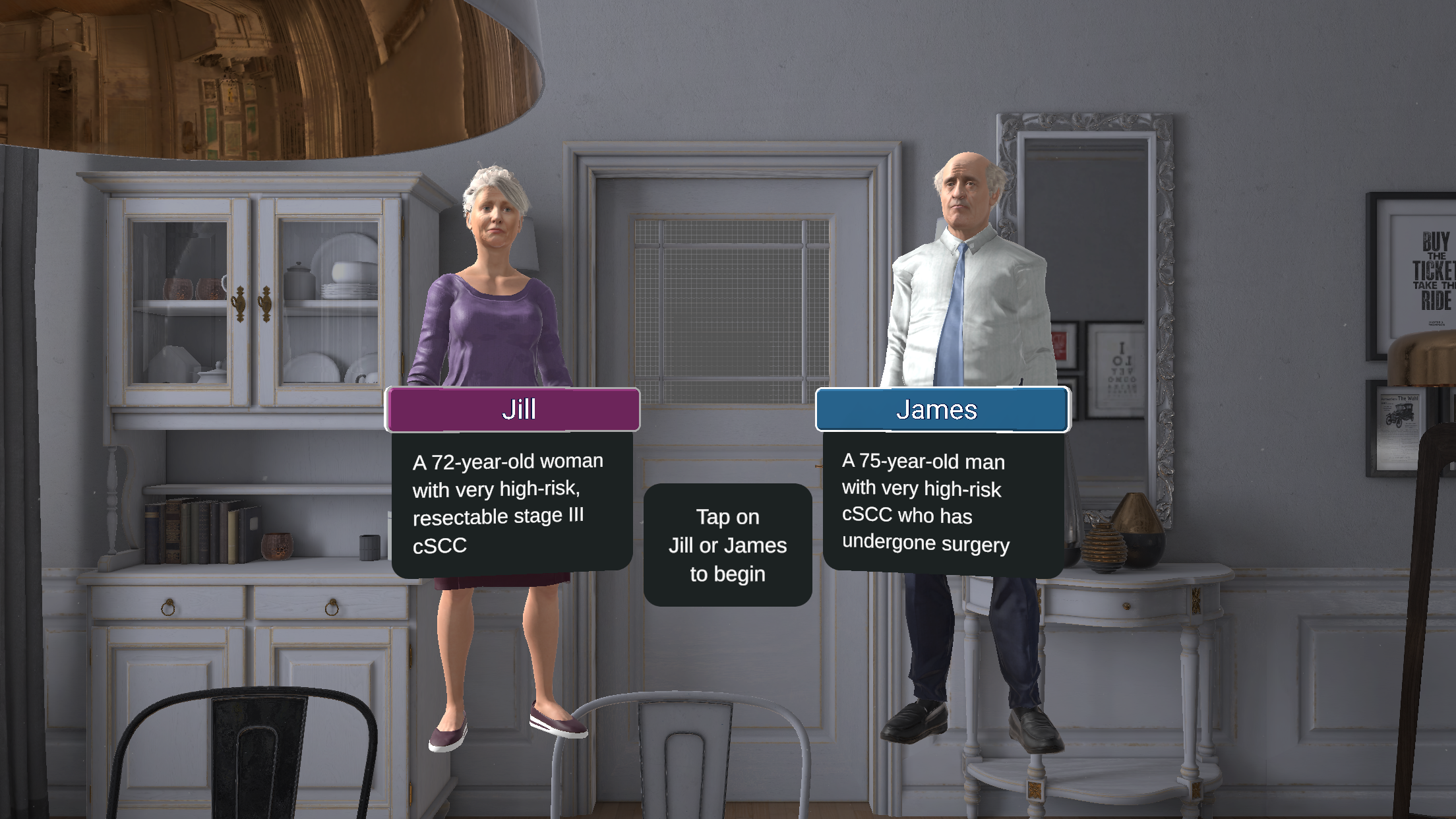
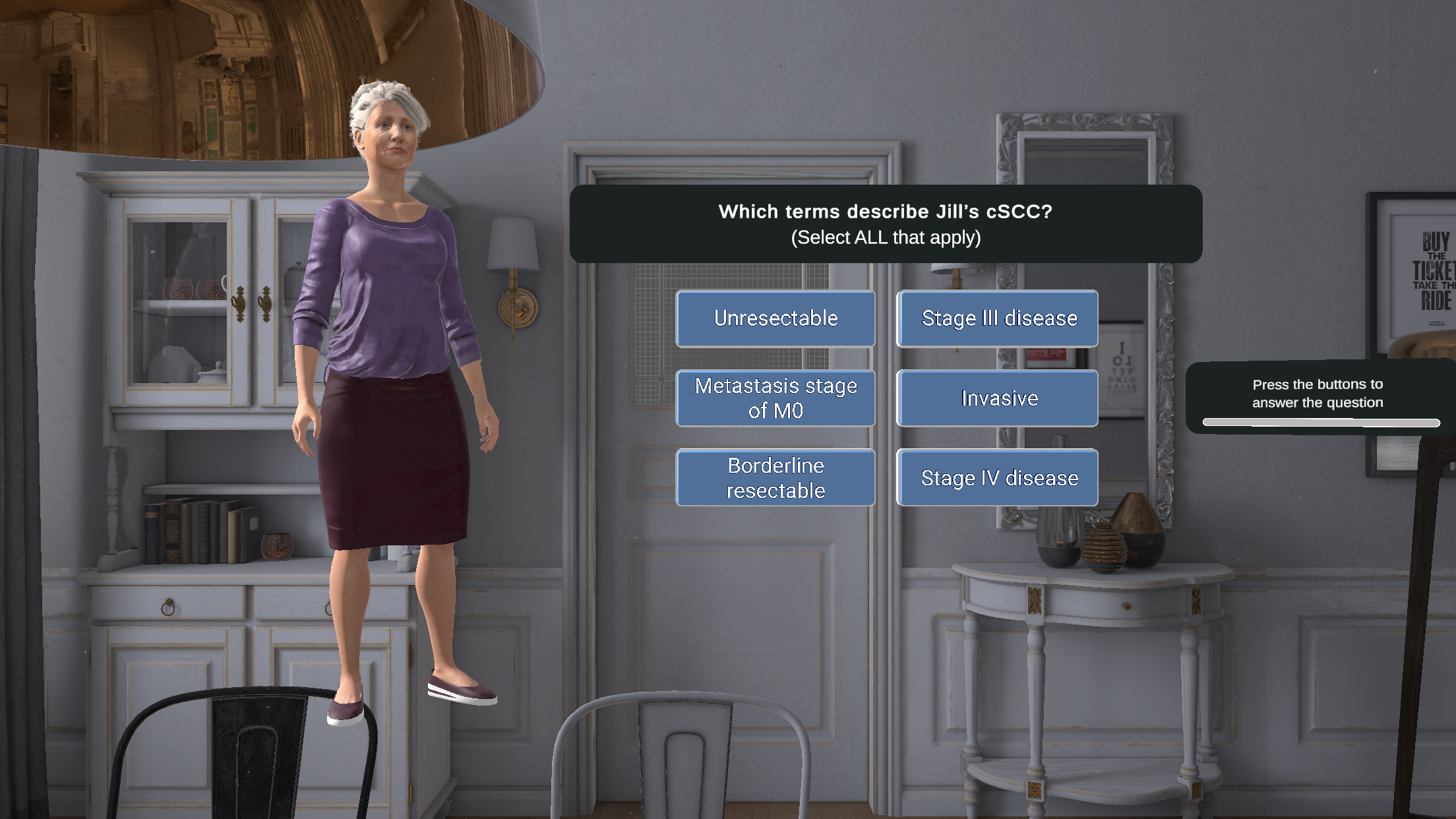
Management of Recurrent Stage 2 cSCC and Rationale for Treatment

Management Pearls for Treatment of Multiple Relapsed/Refractory Diffuse Large B-Cell Lymphoma (DLBCL)

Treatment Strategies for Relapsed/Refractory Multiple Myeloma

NSCLC – Shared Decision Making Case Study
Myeloma BsAb iAR

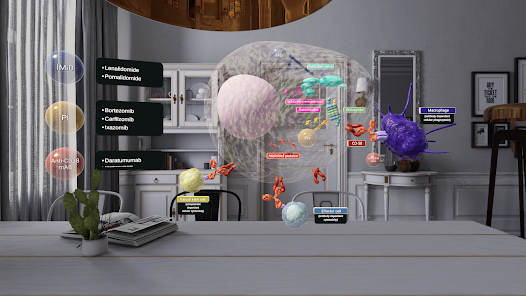
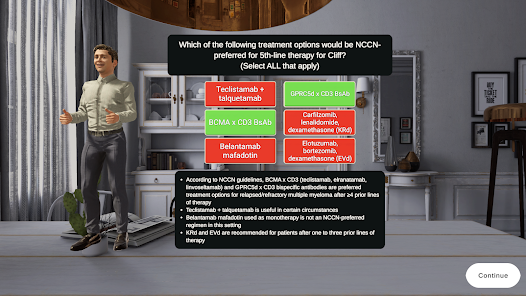
Dive into immersive, case-based learning on evolving treatment strategies in multiple myeloma.This augmented reality experience is designed for hematology/oncology clinicians and provides highly interactive exploration of real-world decision-making in relapsed/refractory multiple myeloma (RRMM). Through two detailed patient cases, learners examine treatment sequencing, bispecific antibody (BsAb) integration, and toxicity management in accordance with clinical practice guidelines. Simply launch the app and point your device at a flat surface to begin. The AR experience places engaging, expert-informed content directly into the learner’s environment, supporting dynamic and personalized knowledge retention.

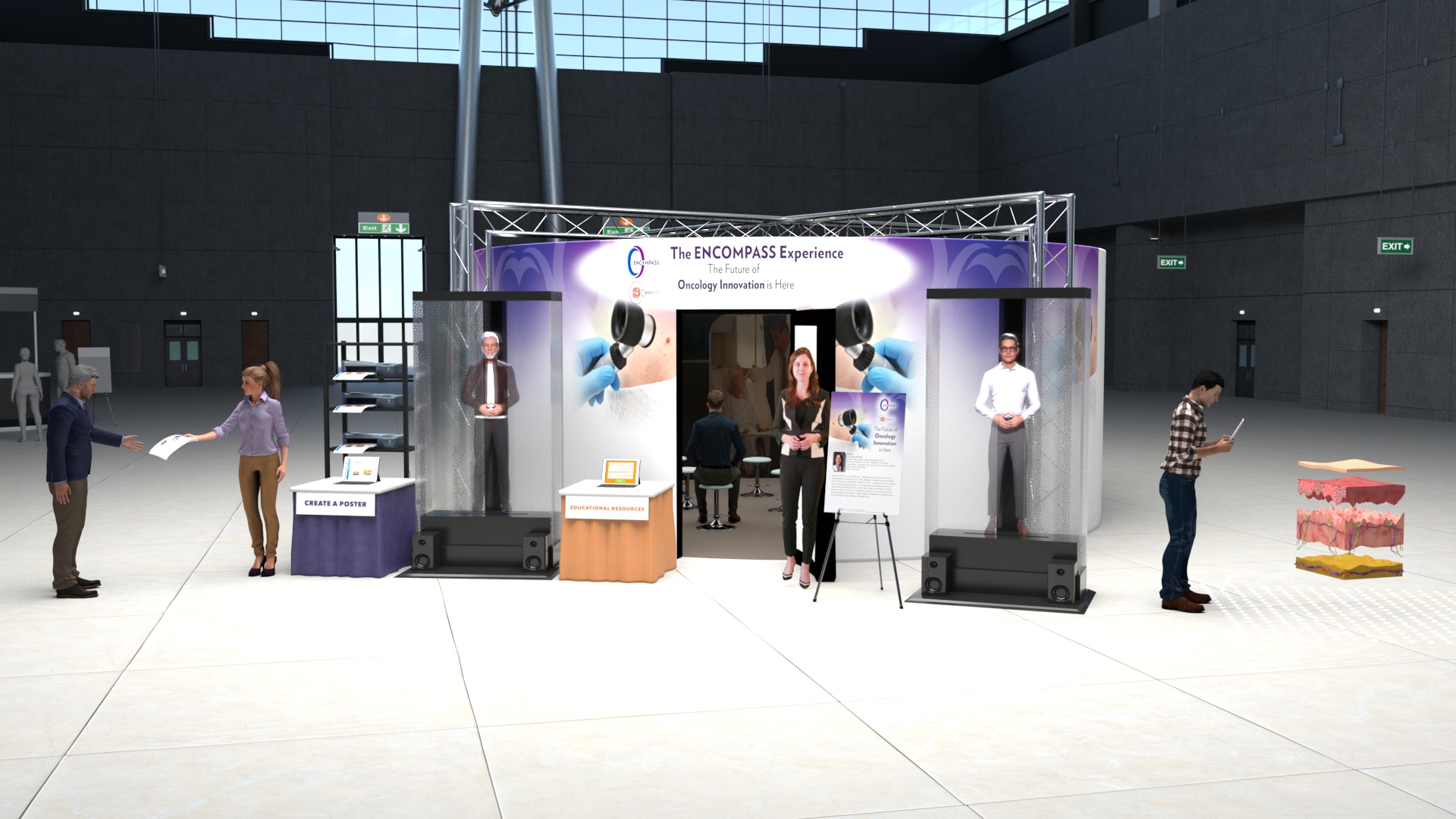
Shaping the Future of NMSC

This program discusses the management of NMSC

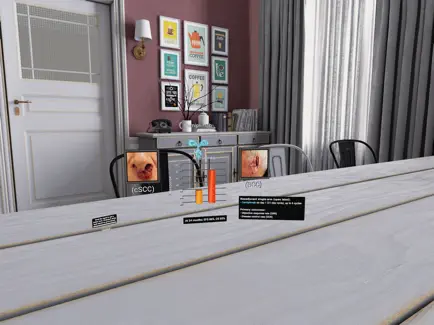
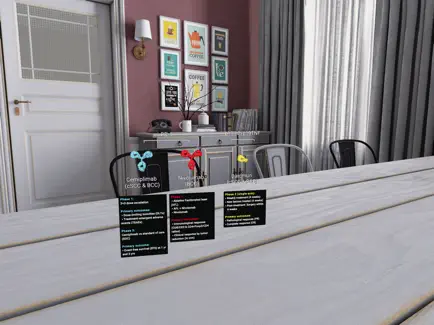
Non-melanoma skin cancers (NMSCs), including basal cell carcinoma and cutaneous squamous cell carcinoma, are typically managed with Mohs micrographic surgery, but advanced cases may require alternative approaches due to inoperability or progression. The immunogenicity of NMSCs makes them strong candidates for immune checkpoint inhibitor therapy, with agents like cemiplimab and pembrolizumab demonstrating favorable efficacy and tolerability. Emerging strategies, including neoadjuvant and intralesional immunotherapy, are under investigation to enhance tumor response prior to or in place of surgery. Continued development of these immunotherapeutic approaches offers the potential to improve outcomes in patient care.

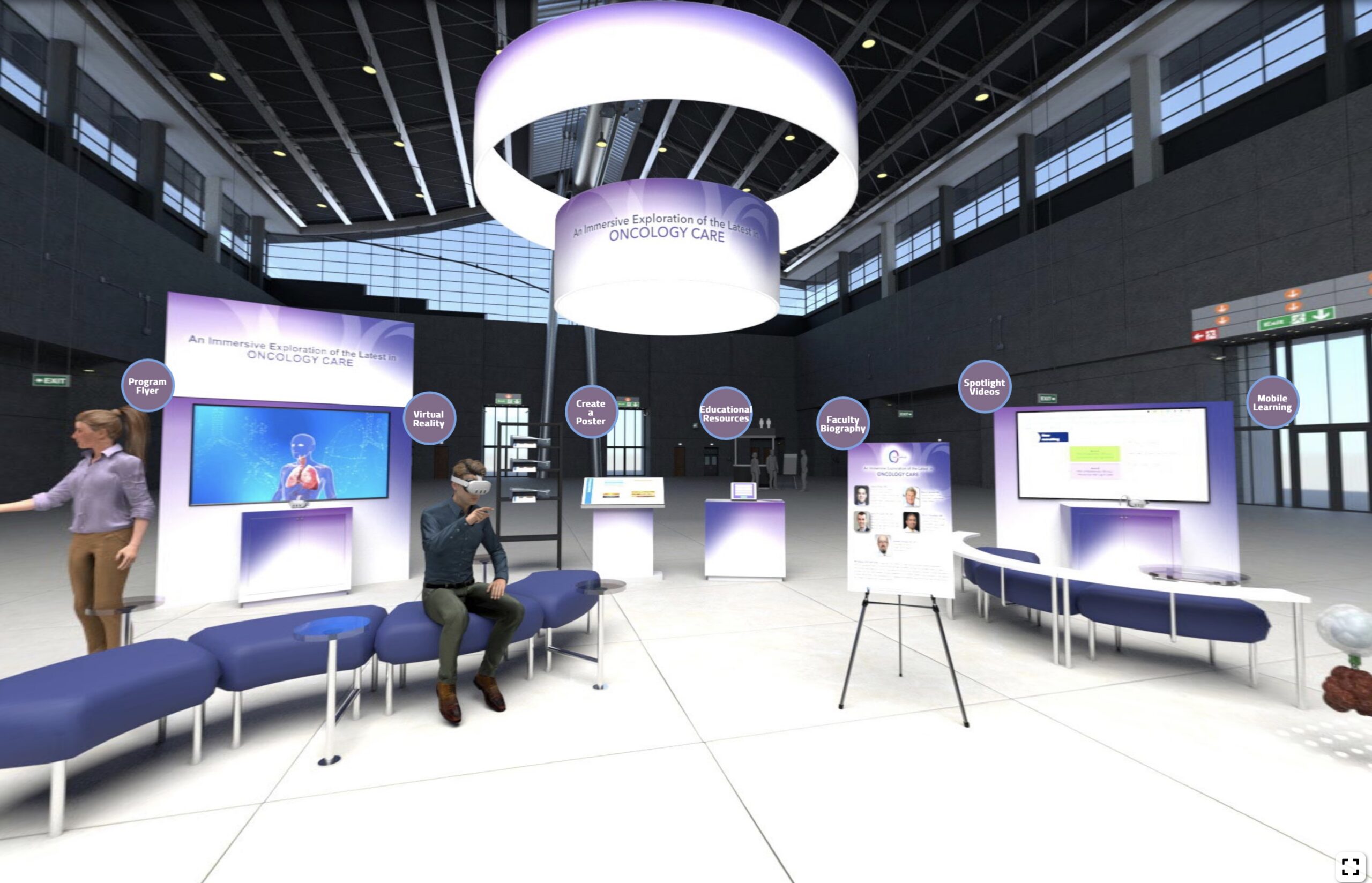
The ESMO 2025 ENCOMPASS Experience: The Future of Oncology Innovation in NMSC

Virtual Booth

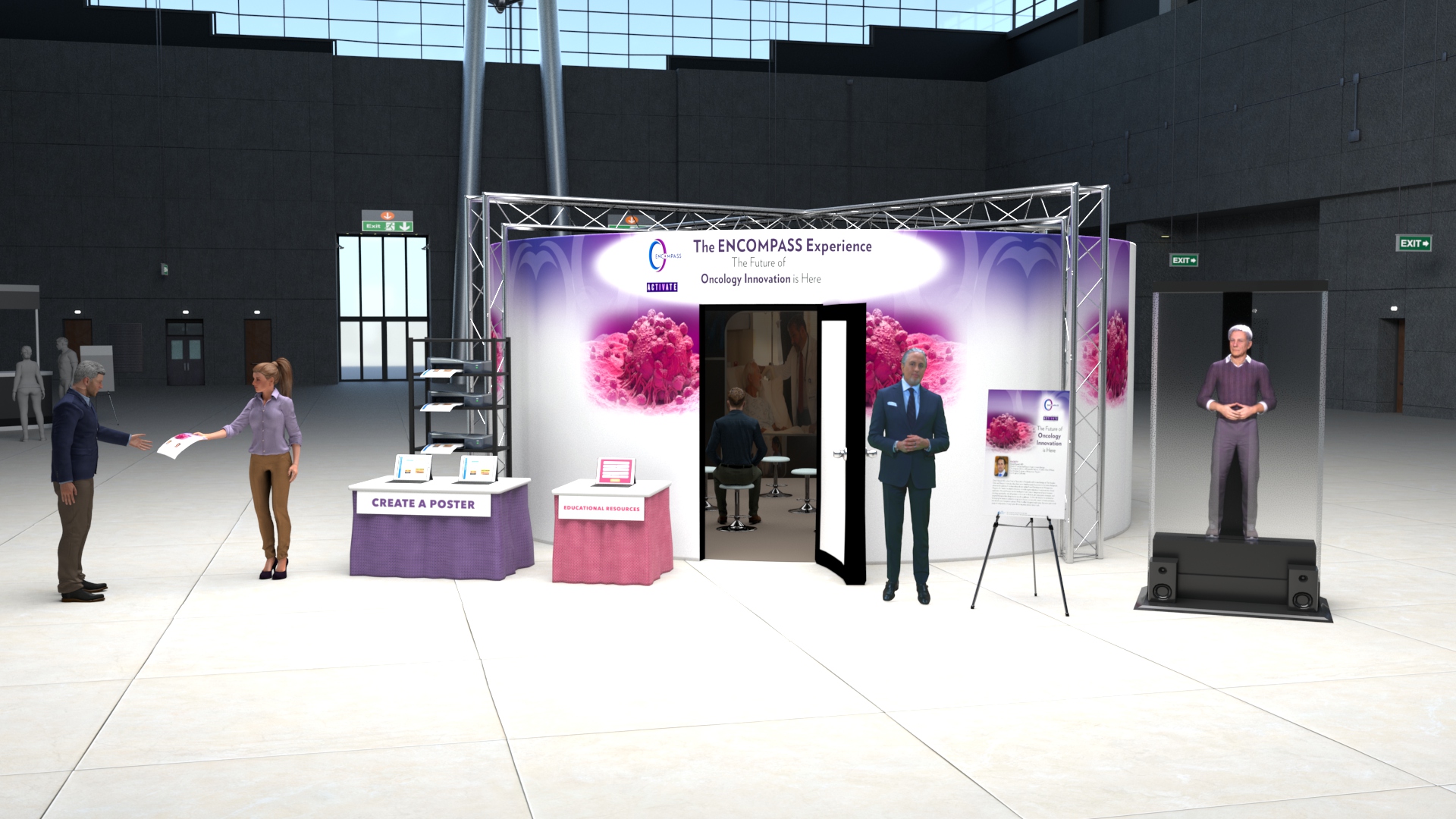
The ESMO 2025 ENCOMPASS Experience: The Future of Oncology Innovation in Melanoma

Virtual Booth

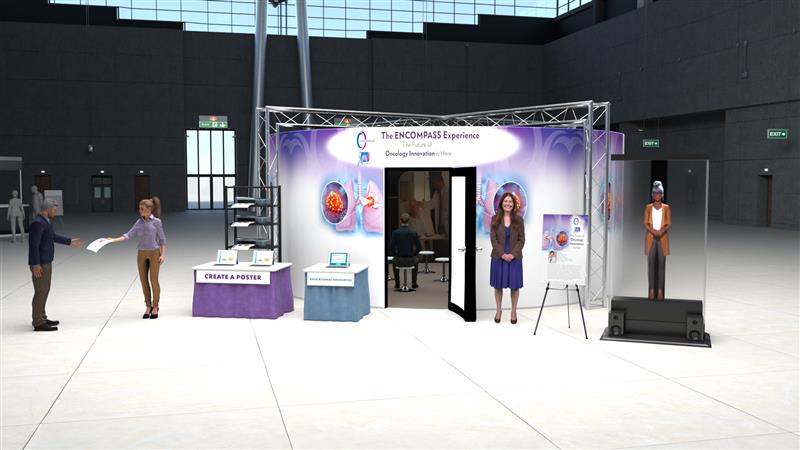
The ESMO 2025 ENCOMPASS Experience: The Future of Oncology Innovation in NSCLC

Virtual Booth

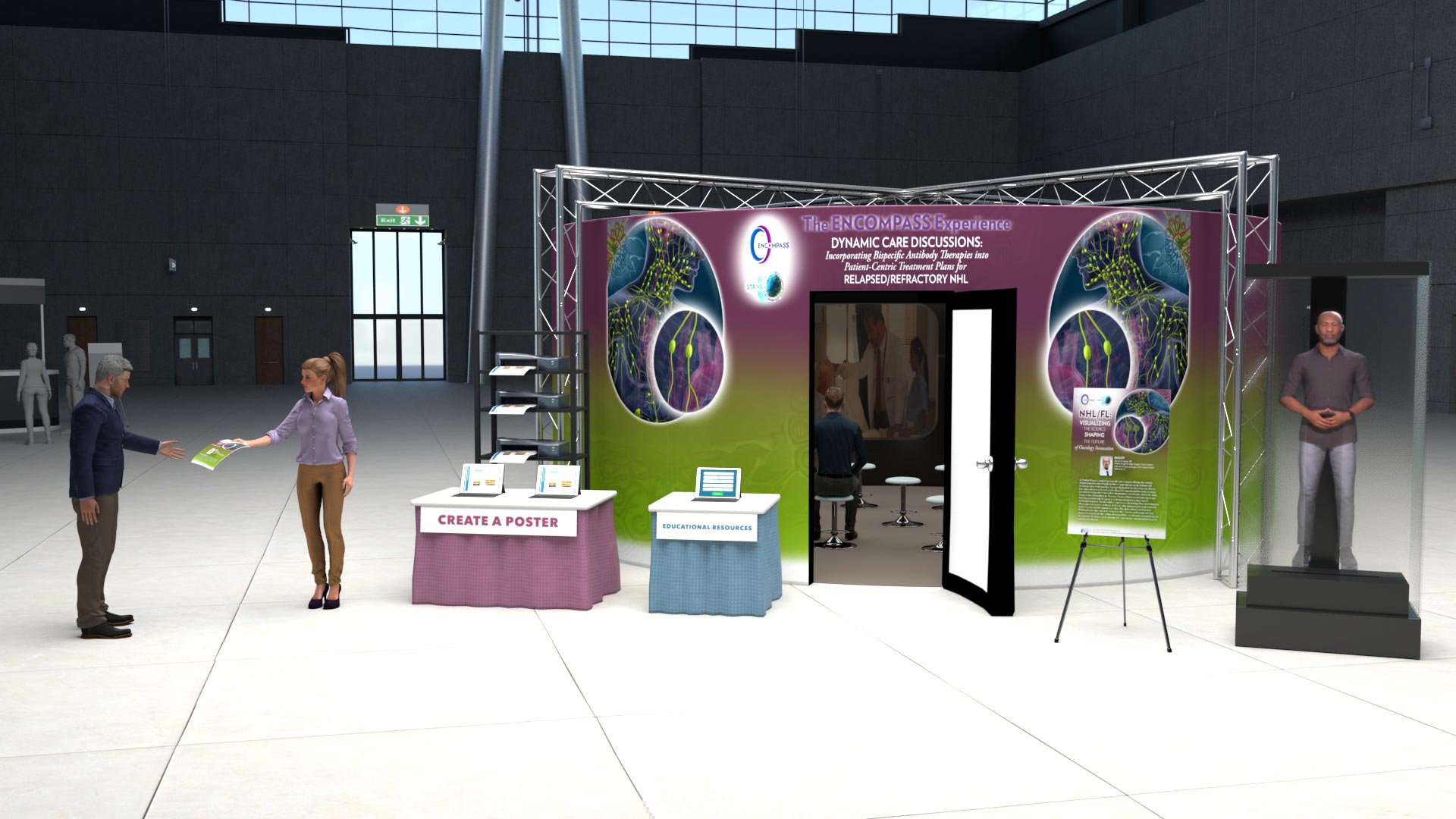
The ENCOMPASS Experience: DYNAMIC CARE DISCUSSIONS: Incorporating Bispecific Antibody Therapies into Patient-Centric Treatment Plans for RELAPSED/REFRACTORY NHL

Virtual Booth
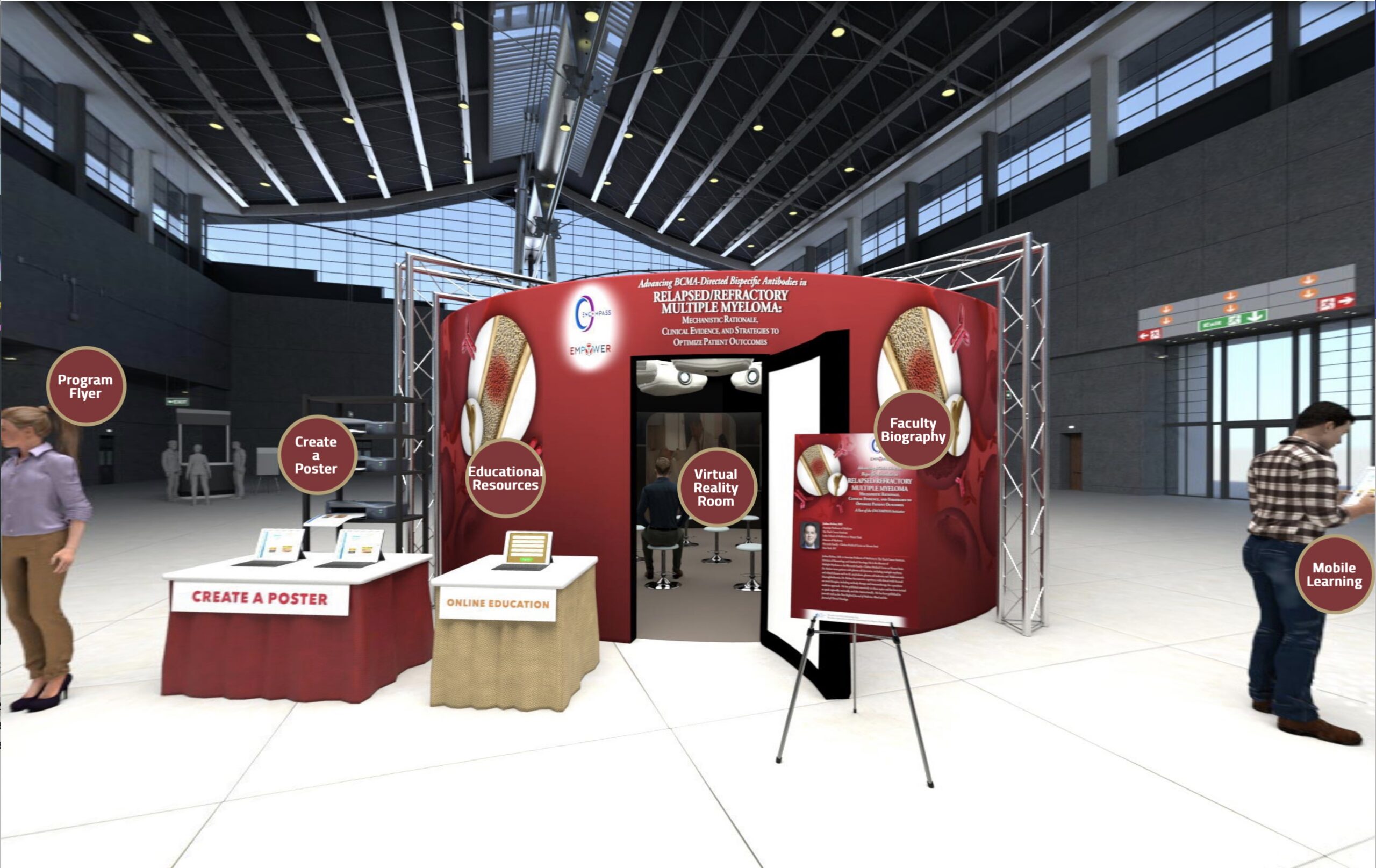
The ASH 2025 ENCOMPASS Experience: Advancing BCMA-Directed Bispecific Antibodies in r/rMM: Mechanistic Rationale, Clinical Evidence & Strategies to Optimize Patient Outcomes

Virtual Booth
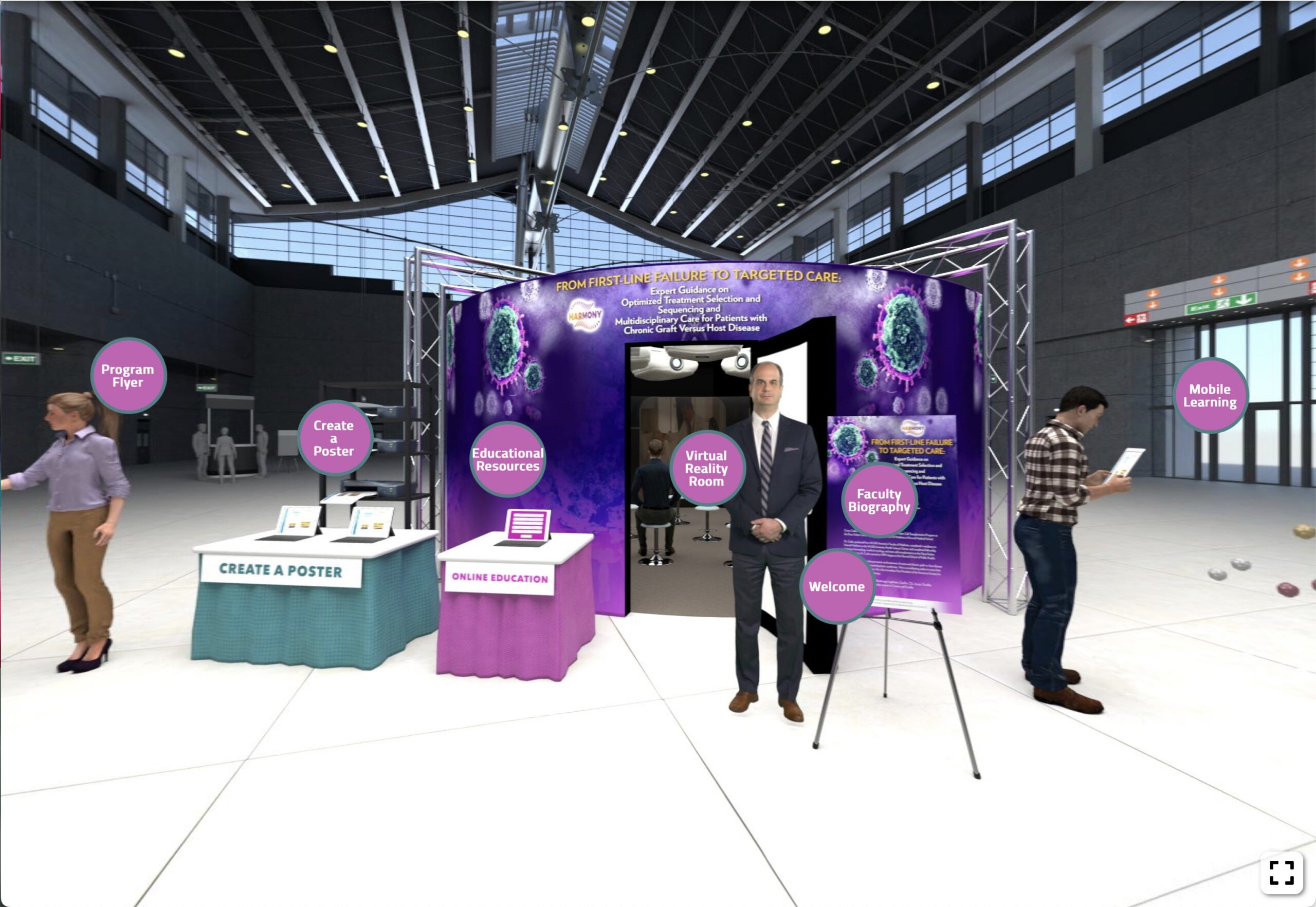
TANDEM 2026: FROM FIRST-LINE FAILURE TO TARGETED CARE: Expert Guidance on Optimized Treatment Selection & Multidisciplinary Care for Patients with cGVHD *Supported by an independent medical education grant from Sanofi US.

Virtual Booth
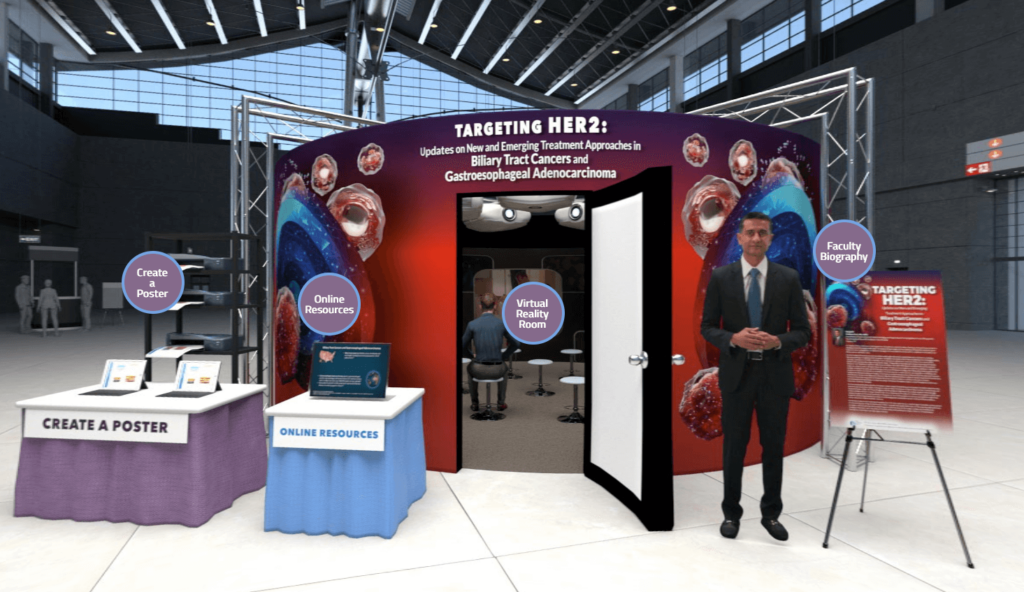
TARGETING HER2: Updates on New and Emerging Treatment Approaches in Biliary Tract Cancers and Gastroesophageal Adenocarcinoma *Supported by an independent medical education grant from Jazz Pharmaceuticals.

Virtual Booth


ASH 2025: Updating Approaches in the Care of Patients with Relapsed/Refractory B-Cell Non-Hodgkin Lymphomas: Use of Bispecific Antibodies with Dr. Matasar (Part 1)

View here for CME credit

ASH 2025: Updating Approaches in the Care of Patients with Relapsed/Refractory B-Cell Non-Hodgkin Lymphomas: Use of Bispecific Antibodies with Dr. Matasar (Part 2)

View here for CME credit

ASH 2025: Updating Approaches in the Care of Patients with Relapsed/Refractory B-Cell Non-Hodgkin Lymphomas: Use of Bispecific Antibodies with Dr. Matasar (Part 3)

View here for CME credit

ASH 2025: BCMA – Targeted Bispecific Antibodies in Multiple Myeloma: Efficacy, Safety, and Best Practices for Implementation in Clinical Practice with Dr. Richter (Part 1)

View here for CME credit

ASH 2025: BCMA – Targeted Bispecific Antibodies in Multiple Myeloma: Efficacy, Safety, and Best Practices for Implementation in Clinical Practice with Dr. Richter (Part 2)

View here for CME credit

ASH 2025: BCMA – Targeted Bispecific Antibodies in Multiple Myeloma: Efficacy, Safety, and Best Practices for Implementation in Clinical Practice with Dr. Richter (Part 3)

View here for CME credit

Pin It on Pinterest

Directory
Scroll to Top